Back to Top

Bellucci Guitars Featured Models
Turnaround is 60-70 days
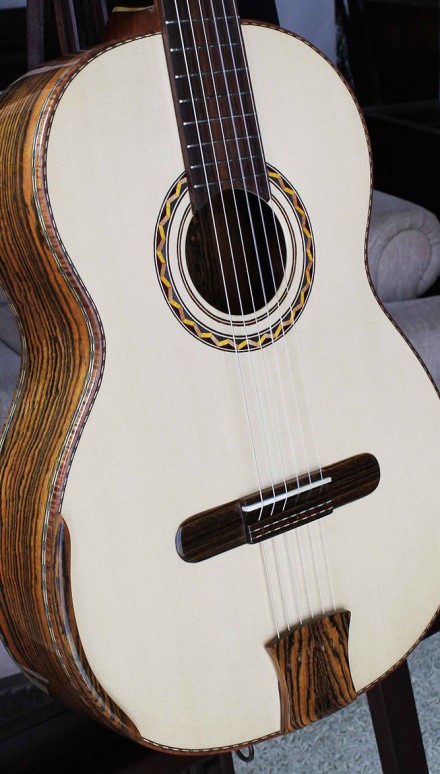
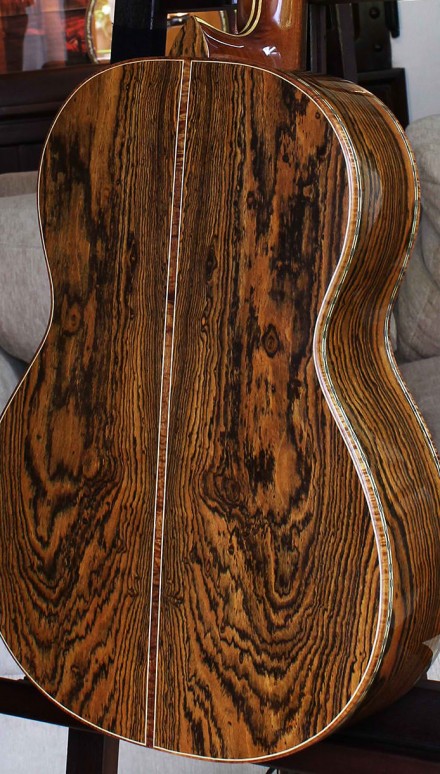
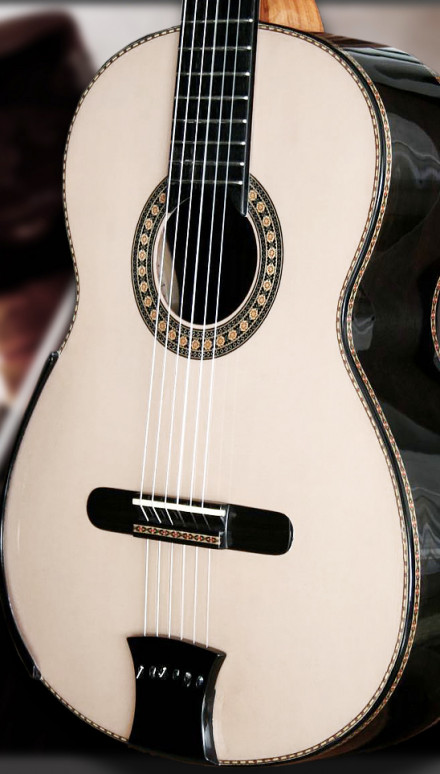
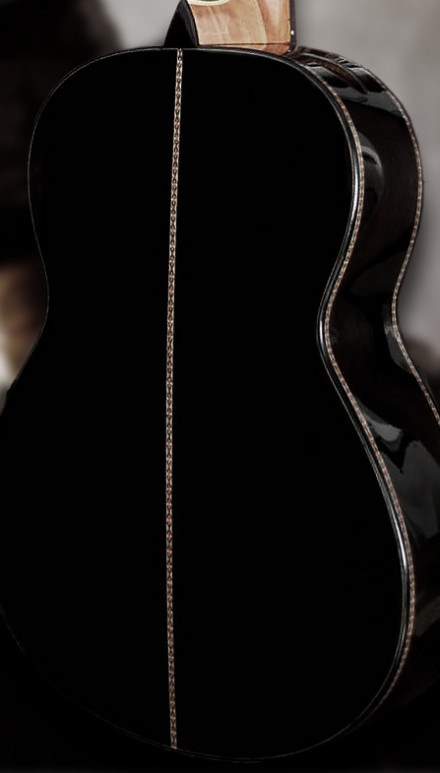
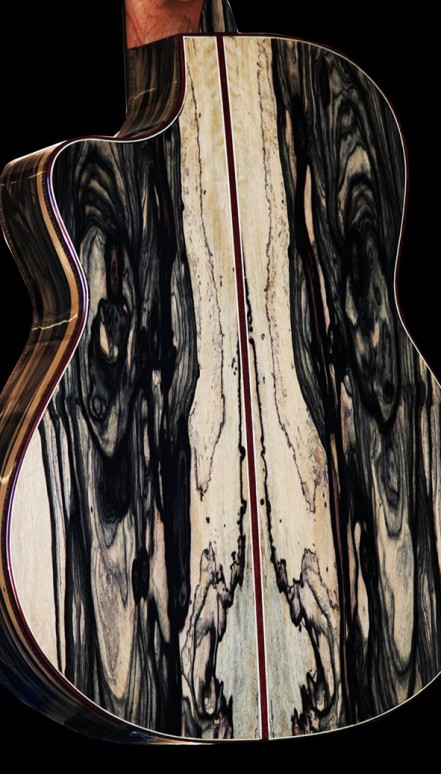
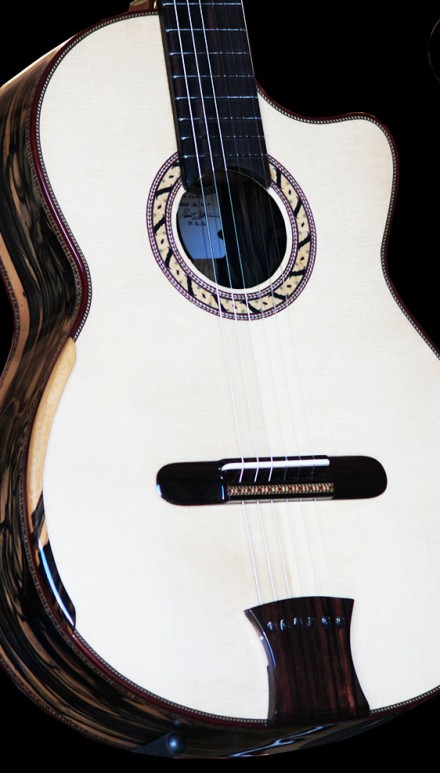
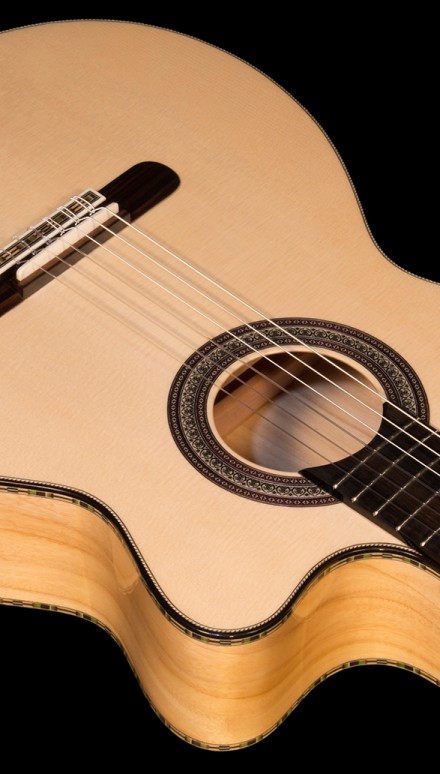
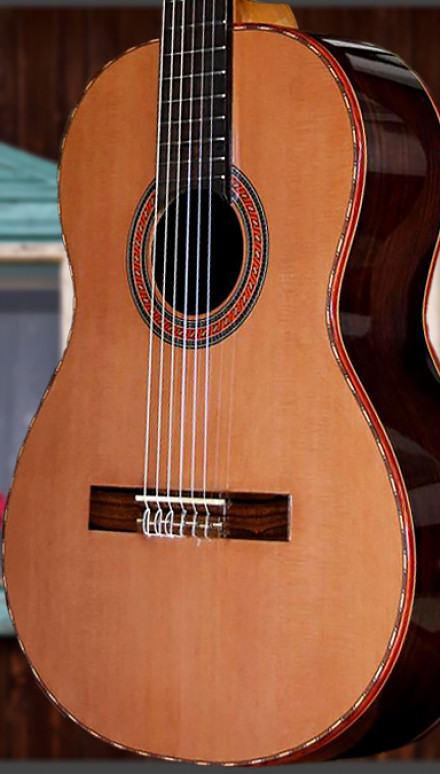
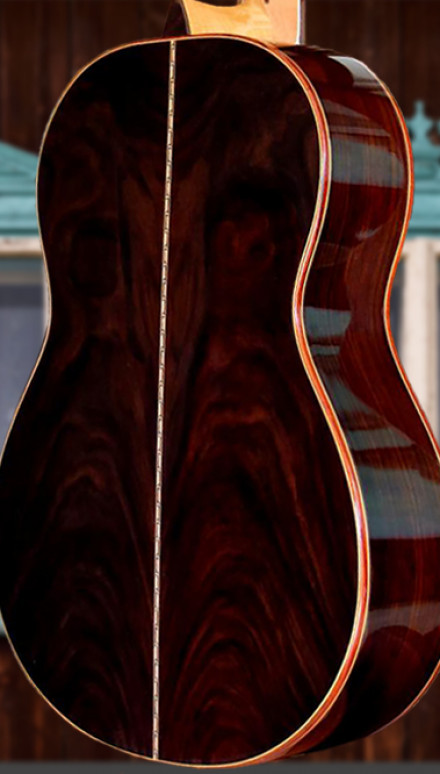
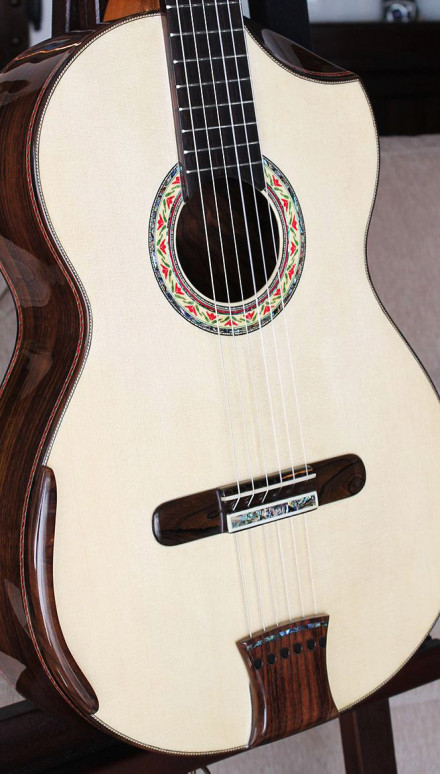
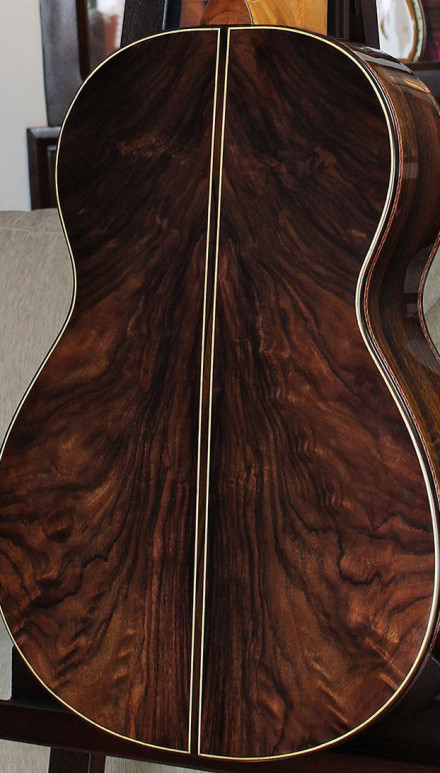
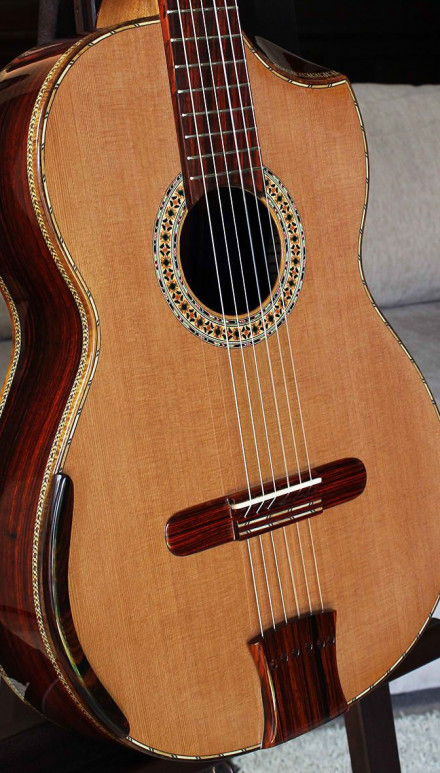
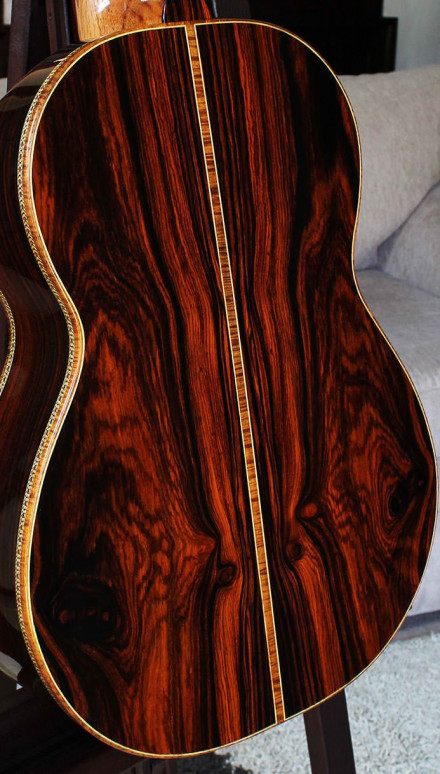
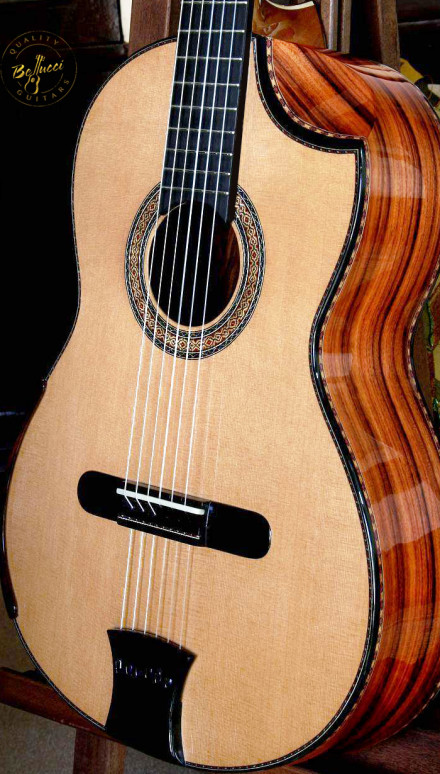
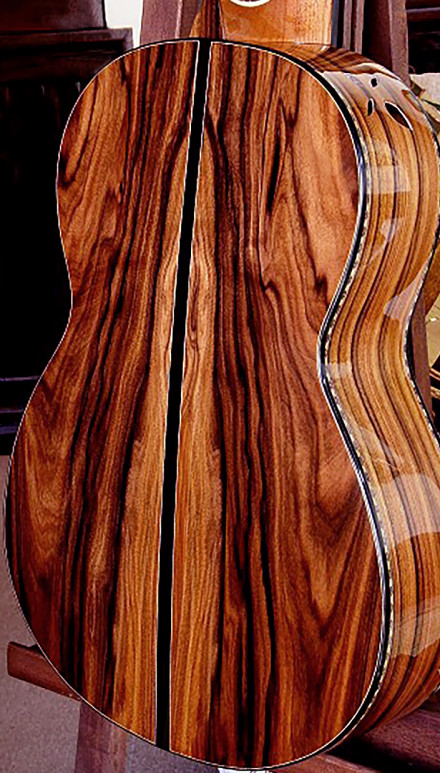
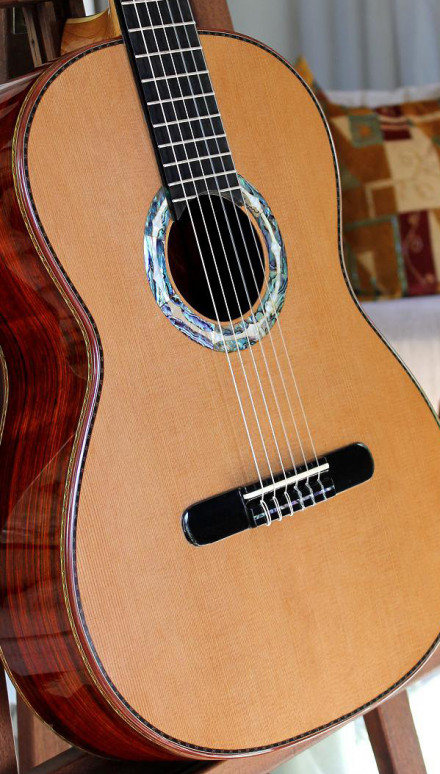
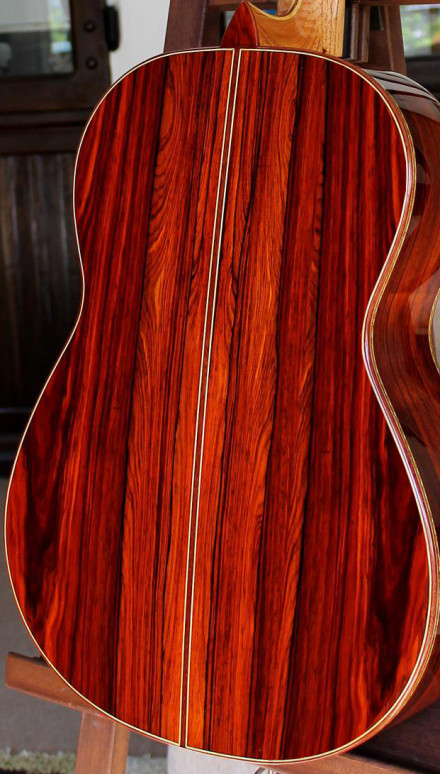
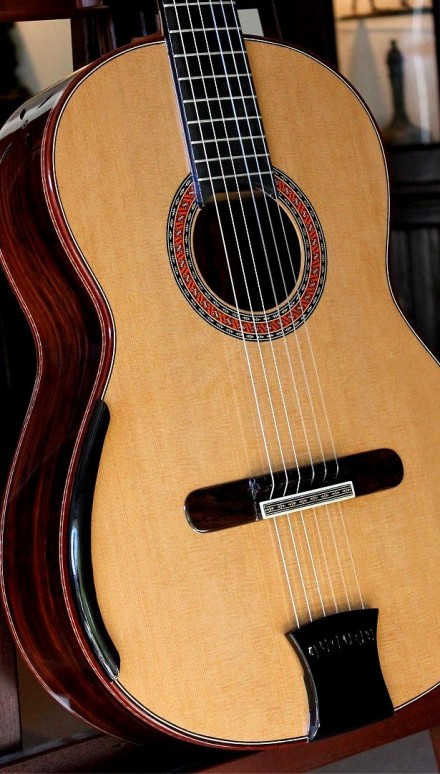
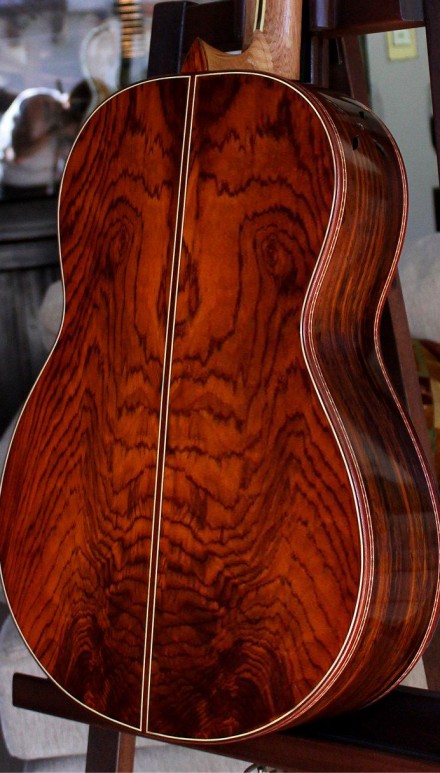
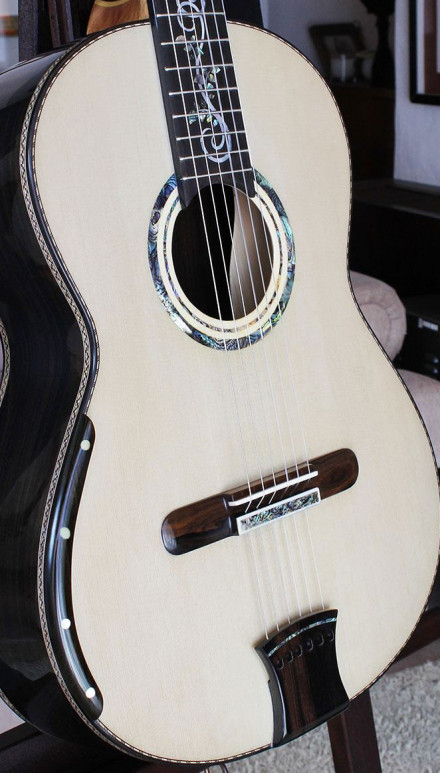
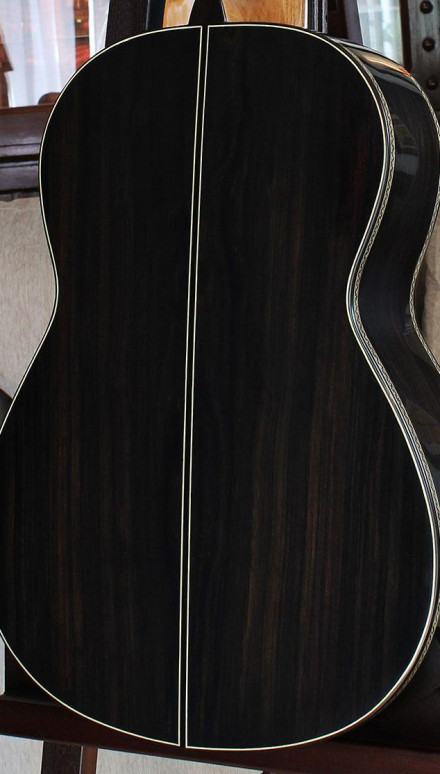
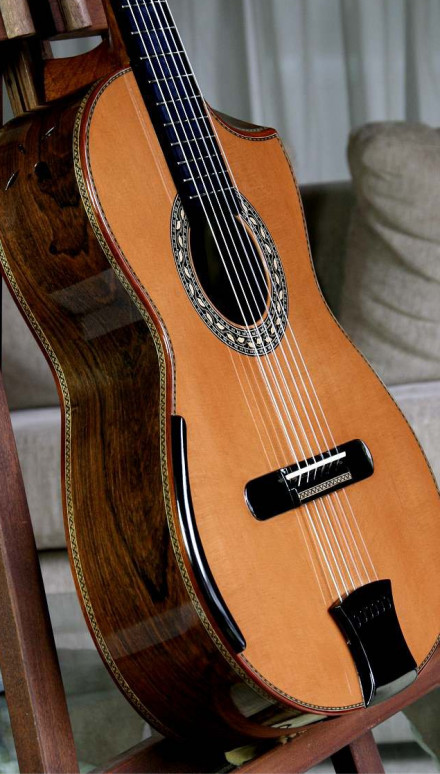
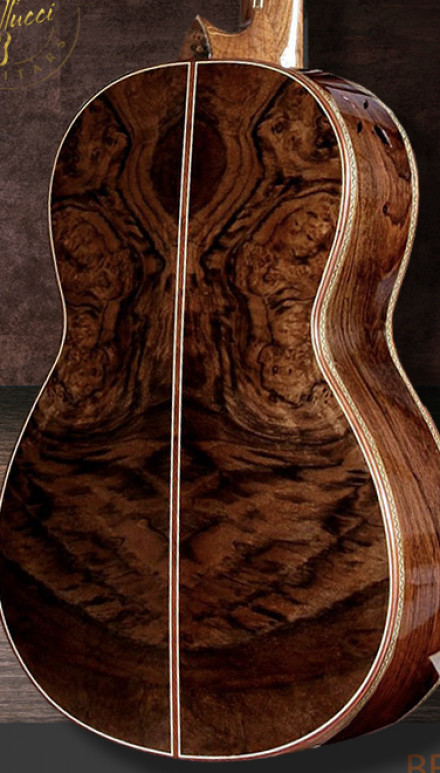
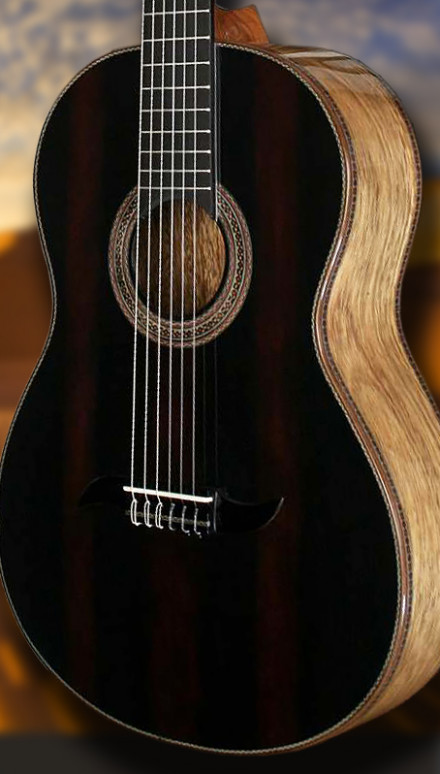
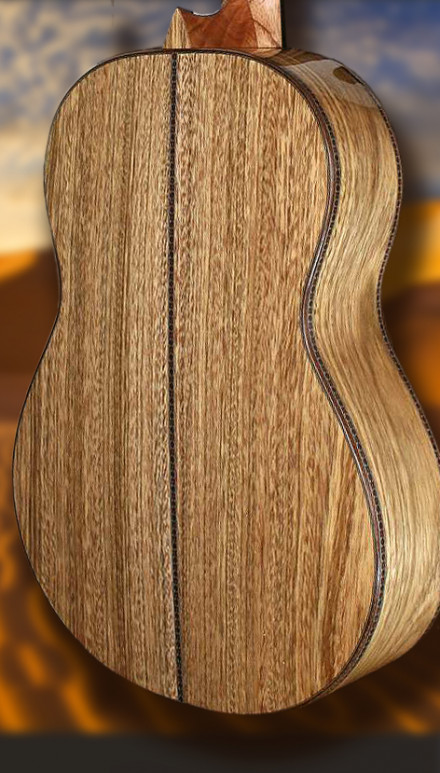
The Featured Bellucci guitars are a selection of standout models from the more than 1,780 instruments we’ve built since 2004, when the first Bellucci guitar came to life. These particular guitars distinguished themselves through the beauty and rarity of the woods used, the harmonious balance of every element, and, of course, their exceptional sound.
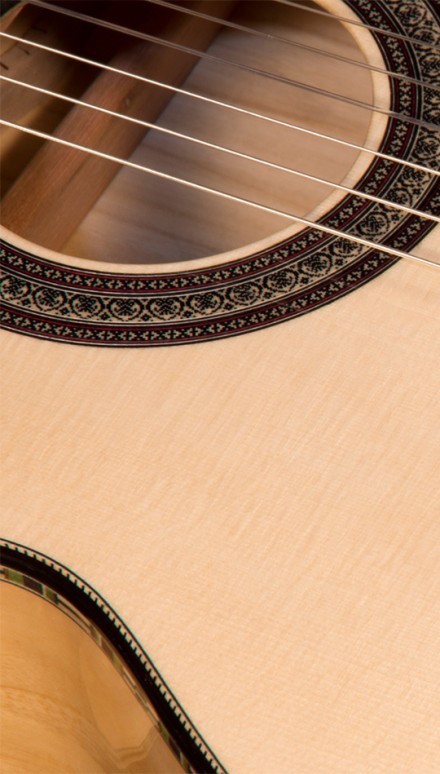
When you order one of the Featured models, I personally select woods for the back, sides, and top that closely match the grain and overall aesthetic of your chosen guitar. The bindings and marquetry will also be crafted to reflect the original as faithfully as possible. That said, the marquetry is rarely identical—this is intentional, as I strive to make each guitar unique.
Each of these models can be further customized to meet your preferences. Feel free to reach out if you have any questions or special requests—we’re here to create your ideal instrument.